
Change of Psycho-Physiological Index by Laughter Yoga: Toward Preventive Effects Against Dementia
Author: Prof. Keio Hashimoto
Institution: Suzuka University of Medical Science, Japan
Published: Journal of the International Society of Life Information Science (ISLIS), Vol. 36, No. 2, September 2018.
Why Was This Study Done?
Japan has one of the world's oldest populations, and dementia has become a major health concern. Researchers are looking for simple, low-cost ways to help older adults maintain brain health and quality of life.
The researcher wanted to investigate whether Laughter Yoga could produce positive changes in both the body and mind that might help reduce risk factors associated with cognitive decline and dementia.
Objective of the Study
To examine the effects of a Laughter Yoga session on:
- Blood pressure
- Muscle relaxation
- Stress levels
- Mood and emotional well-being
The researchers believed that the deep breathing and prolonged laughter of Laughter Yoga could increase oxygen supply to the body and brain, potentially supporting brain health.
Who Participated?
- 15 adults
- Age: 60 years and older
- Gender: 3 men and 12 women
- All participants were members of a Laughter Yoga Club.
- None had dementia.
Study Protocol
Participants attended a group Laughter Yoga session.
Researchers measured several physiological and psychological markers before and after the session.
Physical Measurements
- Blood Pressure
- Heart Rate
- Muscle Hardness (indicator of muscle tension)
- Salivary Amylase Activity (a marker of stress)
Psychological Measurements
Two validated mood assessment tools were used:
- TDMS-ST (Two-Dimensional Mood Scale)
- POMS (Profile of Mood States)
Main Results
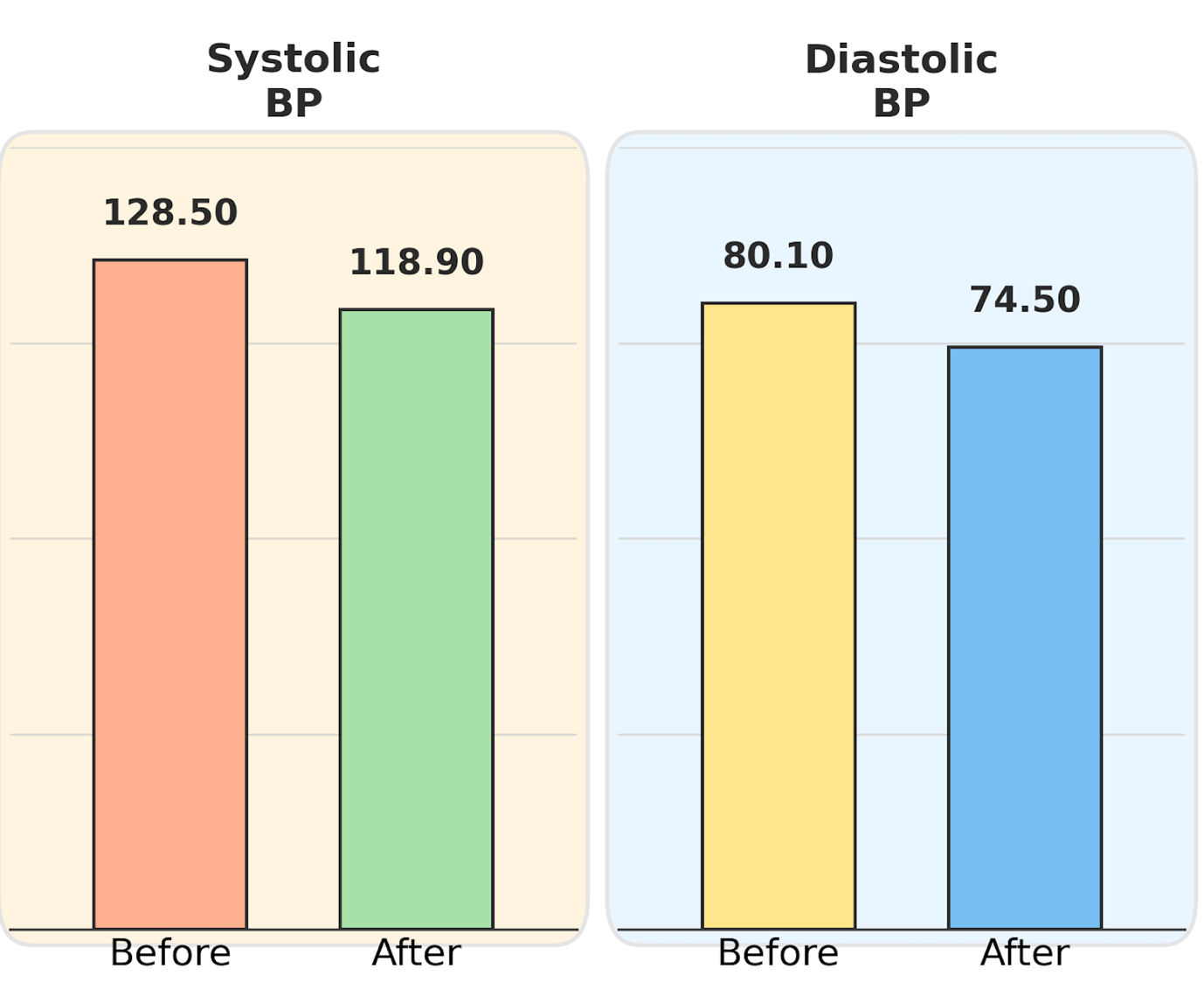
1. Blood Pressure Improved
|
Measurement |
Before |
After |
Change |
|
Systolic Blood Pressure |
128.5 mmHg |
118.9 mmHg |
-7.5% |
|
Diastolic Blood Pressure |
80.1 mmHg |
74.5 mmHg |
-7.0% |
The reduction in systolic blood pressure was statistically significant.
What Does This Mean?
High blood pressure is a known risk factor for stroke, vascular damage, and cognitive decline. Lowering blood pressure may support long-term brain health.
2. Muscle Relaxation Increased Dramatically
|
Measurement |
Before |
After |
|
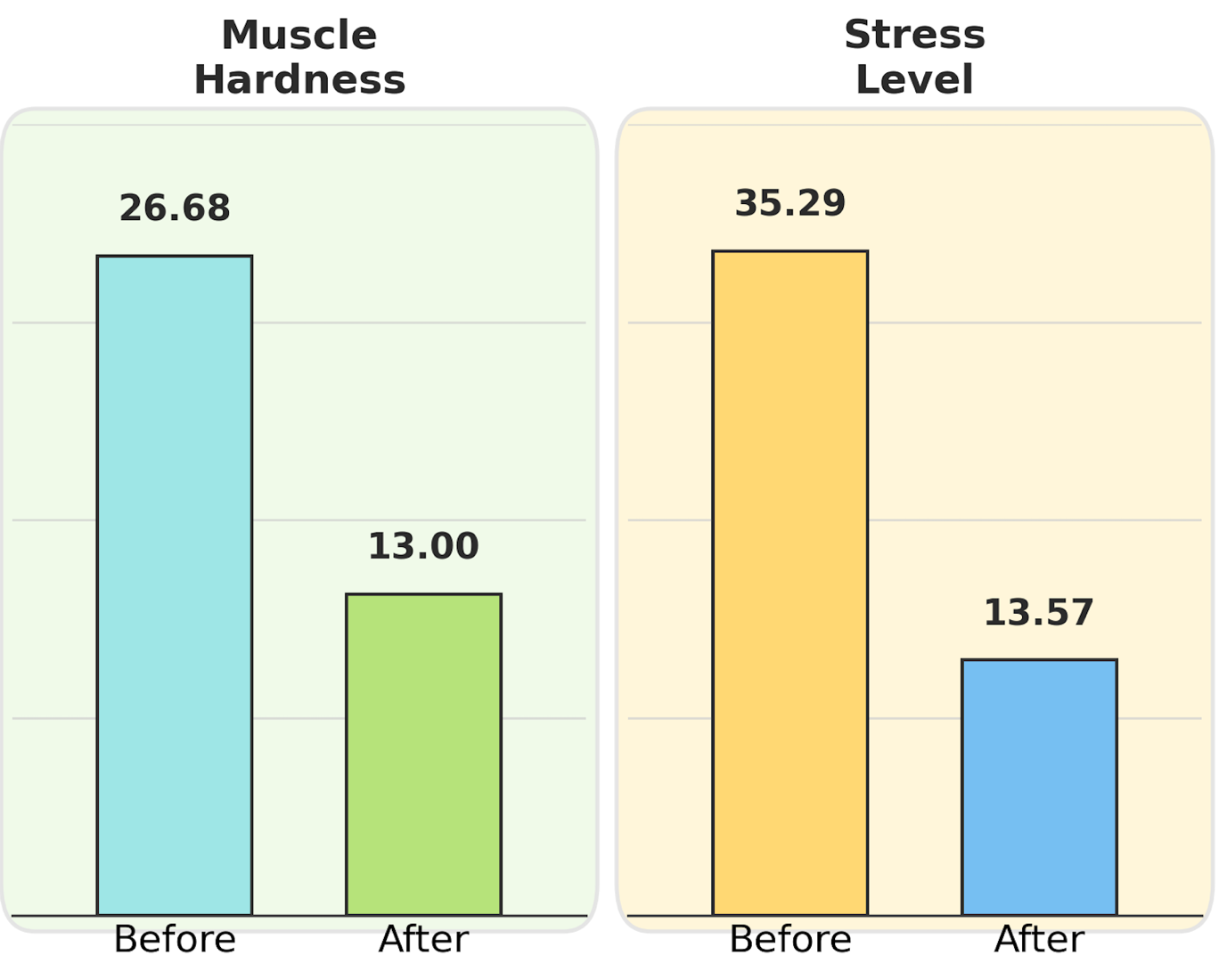
Muscle Hardness |
26.68 kg/cm² |
13.0 kg/cm² |
Improvement:
51% reduction in muscle tension
What Does This Mean?
Participants became much more relaxed physically after laughing. This suggests that Laughter Yoga helps release muscular tension and promotes relaxation.
3. Stress Levels Dropped Significantly
|
Measurement |
Before |
After |
|
Salivary Amylase (Stress Marker) |
35.29 kIU/L |
13.57 kIU/L |
|
|
|
|
|
|
|
|
Improvement:
61.5% reduction in stress levels
What Does This Mean?
This was one of the strongest findings of the study. Chronic stress is associated with memory problems, inflammation, and accelerated aging. Laughter Yoga substantially reduced physiological stress.
Psychological Benefits
Mood Became More Positive
Using the TDMS-ST mood scale, researchers found improvements in:
- Vitality
- Emotional stability
- Pleasant feelings
- Overall mood state
Emotional Well-Being Improved
The POMS questionnaire showed:
|
Mood State |
Before |
After |
|
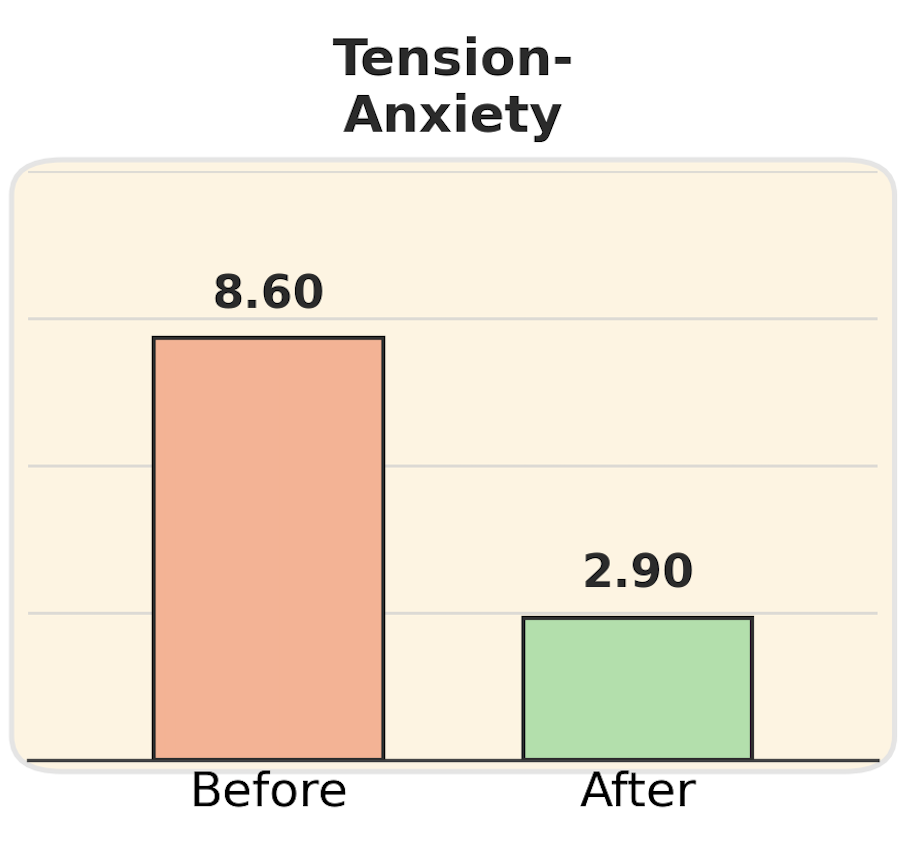
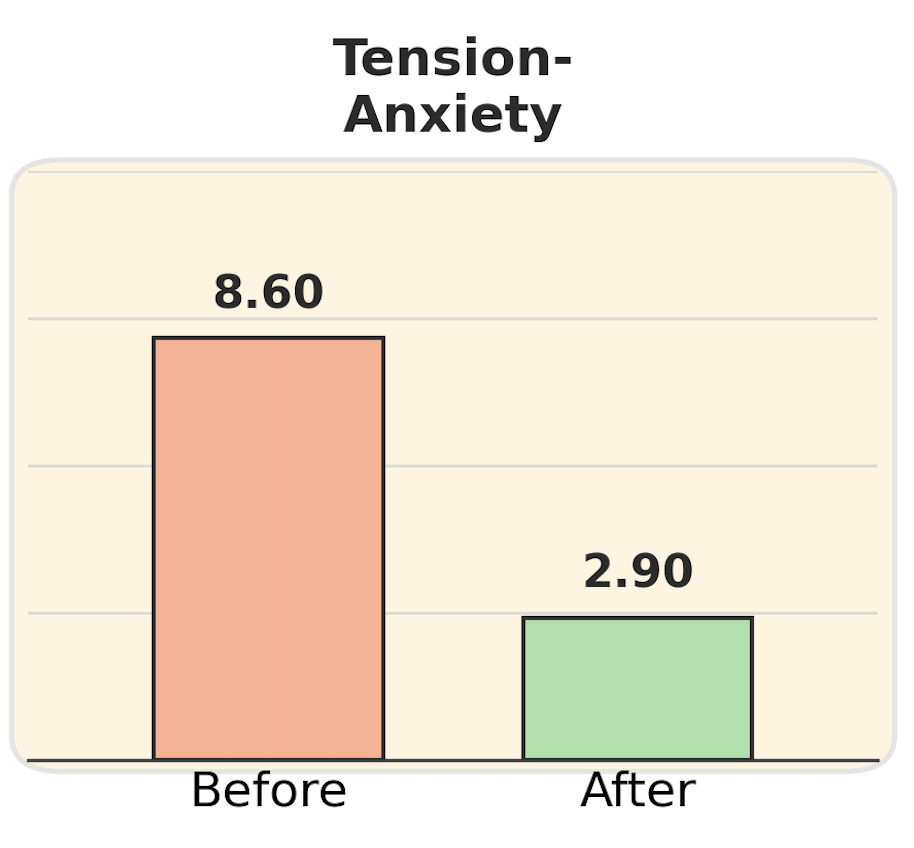
Tension & Anxiety |
8.6 |
2.9 |
|
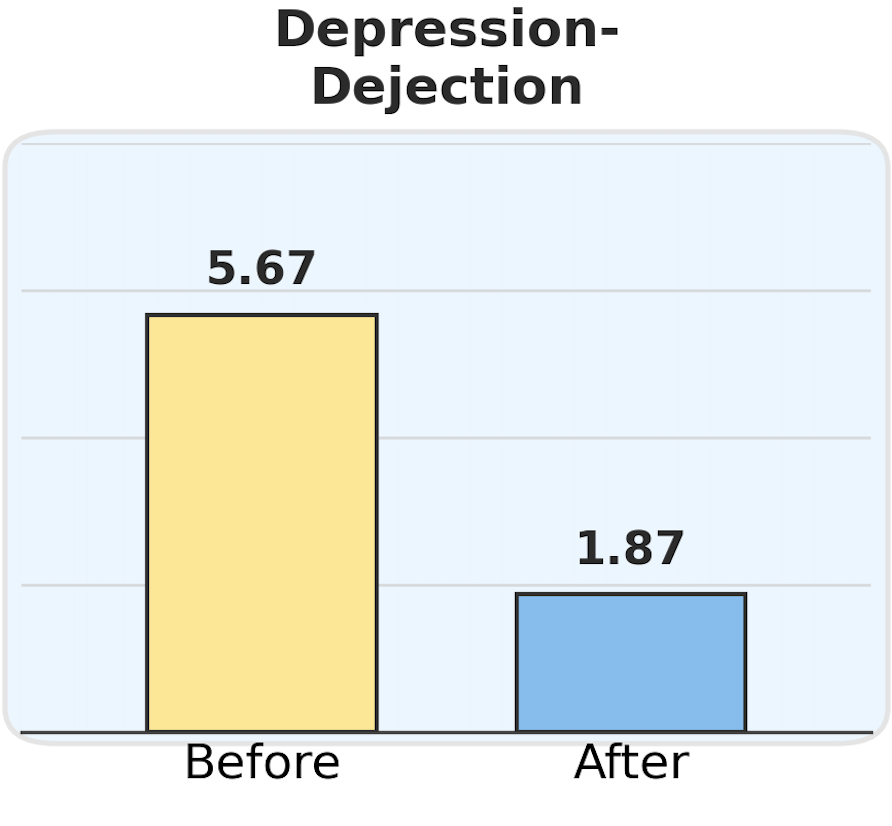
Depression |
5.67 |
1.87 |
|
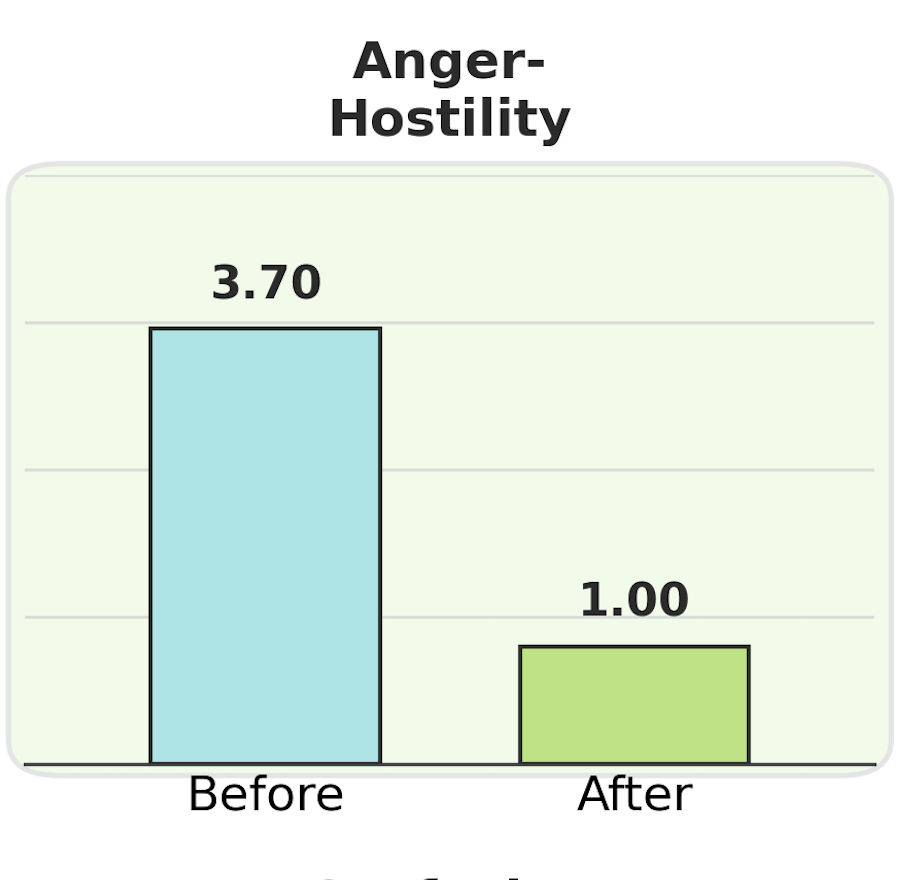
Anger & Hostility |
3.7 |
1.0 |
|
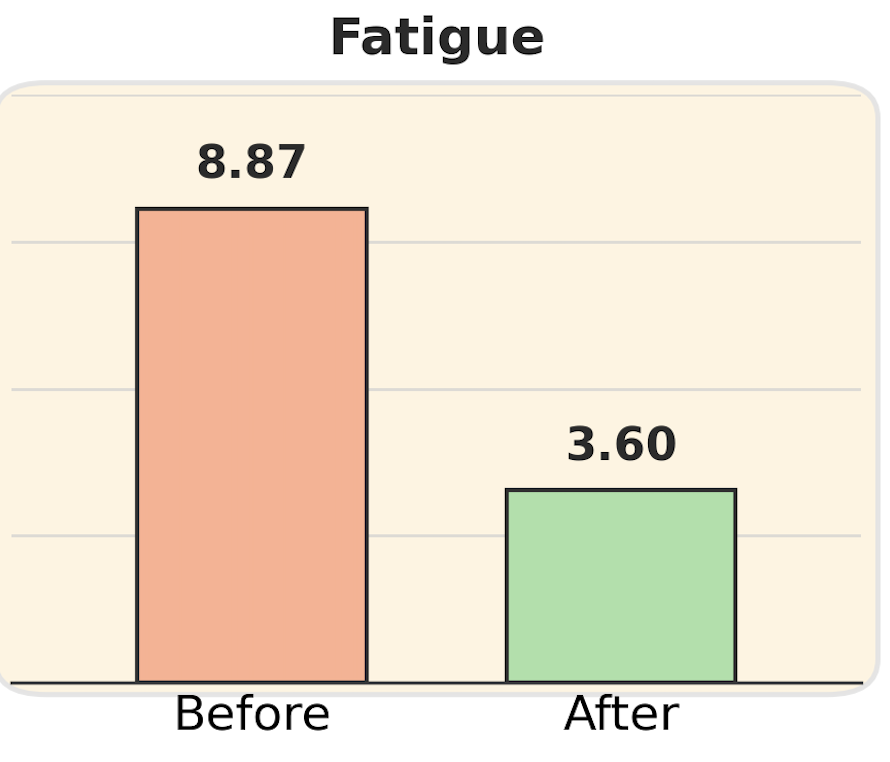
Fatigue |
8.87 |
3.6 |
|
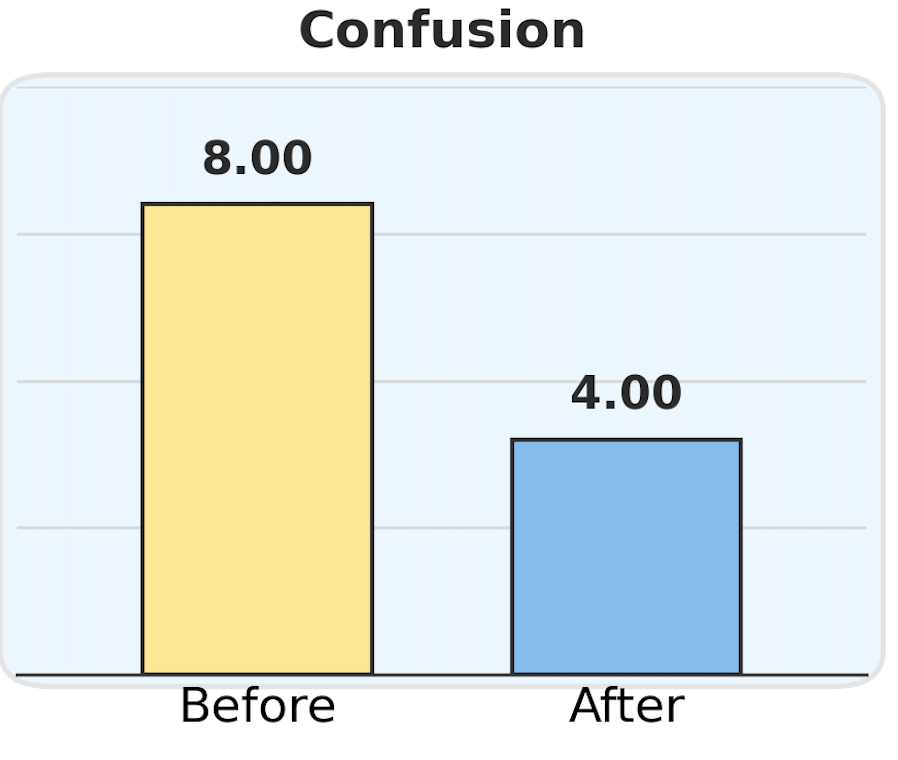
Confusion |
8.0 |
4.0 |
|
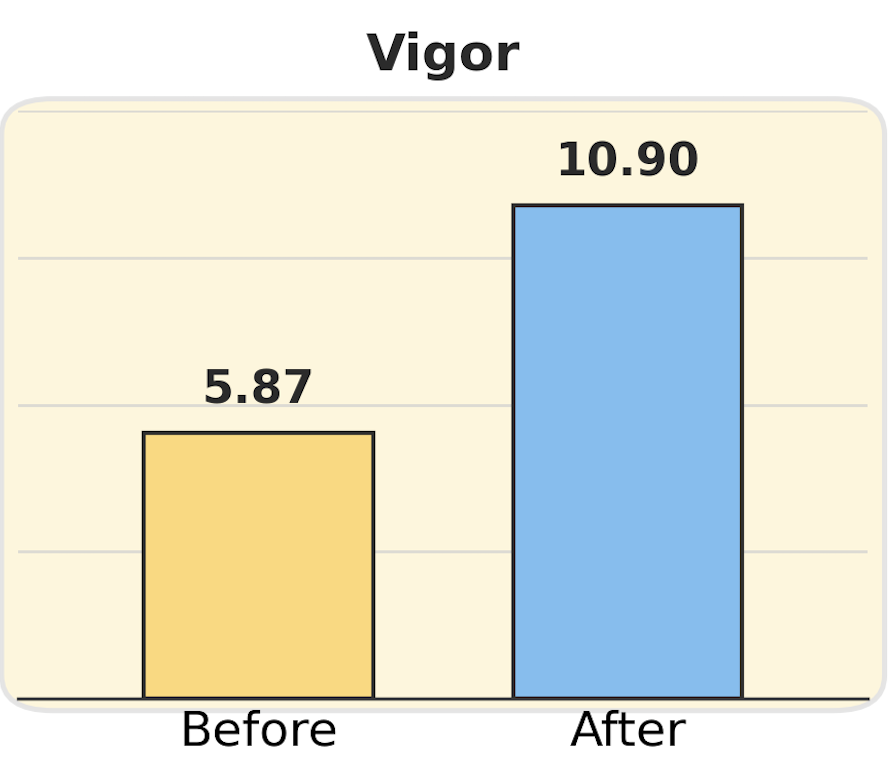
Vigor (Energy) |
5.87 |
10.9 |
Interpretation
After the Laughter Yoga session:
✓ Anxiety decreased
✓ Depression decreased
✓ Anger decreased
✓ Fatigue decreased
✓ Mental confusion decreased
✓ Energy and enthusiasm increased
Conclusion
The researchers concluded that Laughter Yoga helped older adults shift into a more relaxed, energetic, and positive state. It reduced stress, lowered blood pressure, relaxed muscles, and improved mood. These changes suggest that Laughter Yoga may support healthy brain function and could become a useful tool in dementia prevention programs.